
Nature-Inspired Interiors: Bringing the Outdoors Inside
Introduction: The Rise of Nature-Inspired Design
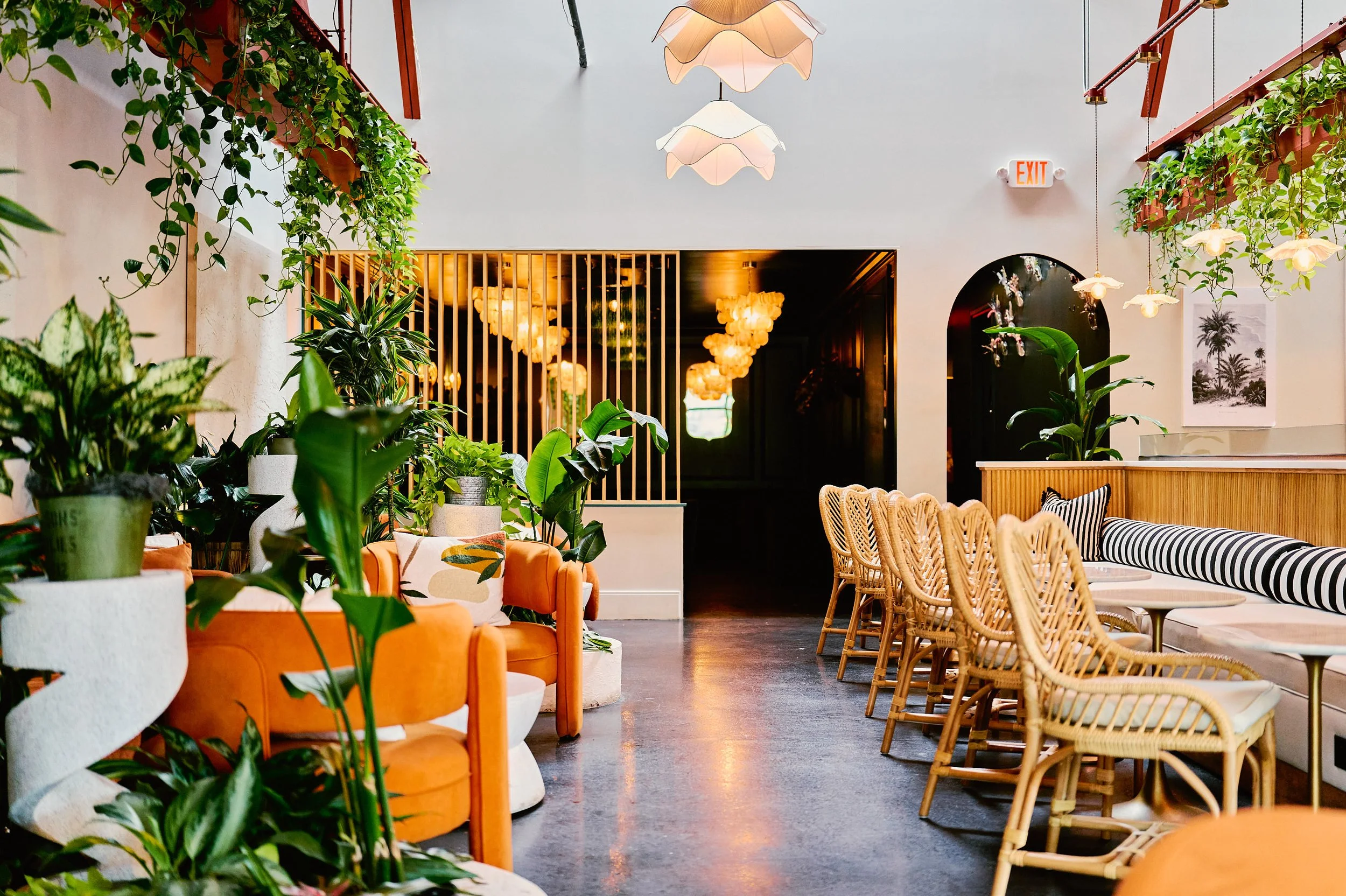
In 2026, restaurant design is increasingly focused on creating calm, inviting environments that offer more than just a place to eat. Nature-inspired interiors, often referred to as biophilic design, are becoming a major trend as restaurant owners look for ways to enhance customer experience and stand out in a competitive market. By bringing elements of the outdoors inside, restaurants can create spaces that feel fresh, relaxing, and memorable.
Why Nature-Inspired Design Matters in Restaurants
Modern diners are seeking more than great food—they want an atmosphere that helps them unwind and connect. Nature-inspired interiors tap into this desire by creating environments that reduce stress and promote comfort. Incorporating natural elements has been shown to improve mood and increase the amount of time customers spend in a space. For restaurant owners, this often translates into higher customer satisfaction, repeat visits, and increased revenue.
Incorporating Natural Materials
One of the most effective ways to bring the outdoors inside is through the use of natural materials. Wood, stone, bamboo, and natural fibers add warmth and authenticity to a restaurant’s interior. These materials can be used in flooring, furniture, wall accents, and countertops to create a cohesive and organic feel. In 2026, many restaurants are moving away from synthetic finishes and embracing raw, textured materials that reflect a connection to nature.
Maximizing Natural Light
Lighting plays a crucial role in nature-inspired interiors. Maximizing natural light through large windows, skylights, or glass walls helps create an open and airy environment. Natural light not only enhances the aesthetic of a space but also improves customer mood and energy levels. Restaurants that prioritize daylight often feel more welcoming and vibrant, especially during peak dining hours.
Bringing Greenery Into the Space
Plants are a signature element of nature-inspired design. From small tabletop plants to large vertical gardens, greenery adds life and color to a restaurant’s interior. In 2026, living walls and hanging plant installations are particularly popular, creating visually striking focal points. Beyond aesthetics, plants can also contribute to improved air quality and a more calming atmosphere.
Using Earth-Toned Color Palettes
Color plays a subtle but powerful role in establishing a nature-inspired environment. Earth tones such as greens, browns, beiges, and soft neutrals help create a sense of balance and harmony. These colors can be applied to walls, furniture, and décor to reinforce the connection to nature. Restaurants that adopt these palettes often feel more grounded and inviting, encouraging guests to relax and enjoy their experience.
Creating Indoor-Outdoor Flow
Blurring the line between indoor and outdoor spaces is another key trend. Restaurants are designing layouts that seamlessly connect dining areas with patios, terraces, or garden spaces. Sliding glass doors, open-air seating, and transitional zones allow natural elements to extend into the interior. This approach not only enhances the visual appeal but also provides flexibility in how the space is used throughout the day.
Incorporating Nature-Inspired Tableware
An often-overlooked element of nature-inspired design is tableware, which plays a direct role in shaping the guest experience. In 2026, many restaurants are selecting pieces that reflect organic forms, natural textures, and earthy tones. Brands like Libbey offer a wide range of glassware and dinnerware with subtle, nature-inspired finishes that complement modern dining aesthetics. At the same time, American Metalcraft provides unique serving pieces, wood boards, and textured platters that bring a handcrafted, organic feel to the table. Materials such as ceramic, slate, and wood help create a cohesive connection between the food, the setting, and the natural design elements throughout the space.
Enhancing Customer Experience Through Details
Nature-inspired design is most effective when every element works together seamlessly. From large architectural features to small finishing touches like tableware and décor, each detail contributes to the overall atmosphere. When guests notice consistent natural elements throughout their dining experience, it creates a sense of intention and quality that elevates their perception of the restaurant.
Sustainability and Long-Term Benefits
Nature-inspired design often aligns with sustainable practices, which are increasingly important to both restaurant owners and customers. Using eco-friendly materials, energy-efficient lighting, and durable tableware from trusted brands reduces environmental impact while supporting long-term cost savings. Investing in high-quality, nature-inspired elements ensure longevity and reinforces a restaurant’s commitment to responsible operations.
Designing for Brand Identity
Nature-inspired interiors can also help strengthen a restaurant’s brand identity. Whether the concept leans rustic, modern, or upscale, natural elements can be tailored to match the brand’s story. The use of materials, color palettes, greenery, and even tableware from brands like Libbey and American Metalcraft contributes to a cohesive visual identity that customers can recognize and remember. This consistency is especially important in a competitive market where design plays a key role in attracting attention both in person and on social media.
Final Thoughts: Bringing the Outdoors Inside
Nature-inspired interiors are more than just a trend—they represent a shift toward more thoughtful, experience-driven design. By incorporating natural materials, light, greenery, and cohesive tableware, restaurant owners can create spaces that feel inviting, balanced, and memorable. These environments not only enhance visual appeal but also improve customer satisfaction and overall dining experience.
Ready to Transform Your Restaurant Space?
Bringing the outdoors inside is a powerful way to create a restaurant that stands out in 2026. Whether you are designing a new concept or updating an existing space, integrating nature-inspired elements—from architectural features to tableware—can help you build a cohesive, functional, and unforgettable dining environment.
